We use cookies to make this site work. We'd also like to set optional cookies so we can understand how the site is used and improve it. We will not set optional cookies unless you accept them. You can change your choice at any time from the Cookie settings link in the footer.
Strictly necessary cookies
These cookies are required for the site to work. They store your cookie preferences and keep your session secure. They are exempt from consent under PECR Regulation 6(4) because they are essential to deliver the service you have requested.
Optional cookies
Optional cookies help us understand how the site is used and provide additional features such as analytics, accessibility tools and translation. We will only set them if you accept.

Holsworthy and Hatherleigh Newsletter
Issue 8 - August 2026
Important links:
Summer health services
If you are travelling or visiting family across the UK this summer, remember that many pharmacies can provide prescription medications for certain conditions without the need for a GP appointment should you need help.
This service, known as Pharmacy First, covers a range of ailments, including:
Think Pharmacy First
Many conditions can be treated without the need to see your GP. You can also get advice from a pharmacist after contacting NHS 111 or a GP.
Who to see?
Advice
Ask your phamracy for more information about this free NHS service.
Did you know NHS 111 is now available online?
30,000 people use it each week. There are 3 ways to get urgent help:
- Go to NHS 111 online
- Download the NHS App
- Call 111
999 is for life-threatening emergencies like serious road traffic accidents, strokes and heart attacks.
Forgottern your prescription?
Contact you GP practice who can send it to a local pharmacy where you are staying.
Get on board with the NHS App
The NHS App is becoming more and more important for everyone to access healthcare services in a quick, safe and expedient manner, enabling practices to work more efficiently and accurately, and to minimise wait times at reception and on very busy phone lines.
With 24/7 access and 33.6million people saying it’s the way forward, we want to encourage everyone to get on board. Community pharmacies continue to move over to NHS App too, for ordering repeat medications so we don’t want you to miss out.
- Turn on notifications to get messages as soon as they're sent.
- Don't wait for the post, get your test results easily via the NHS App.
- View your GP health record in record time using the NHS App.
Learn more and download the NHS app
Living with dementia in hot weather
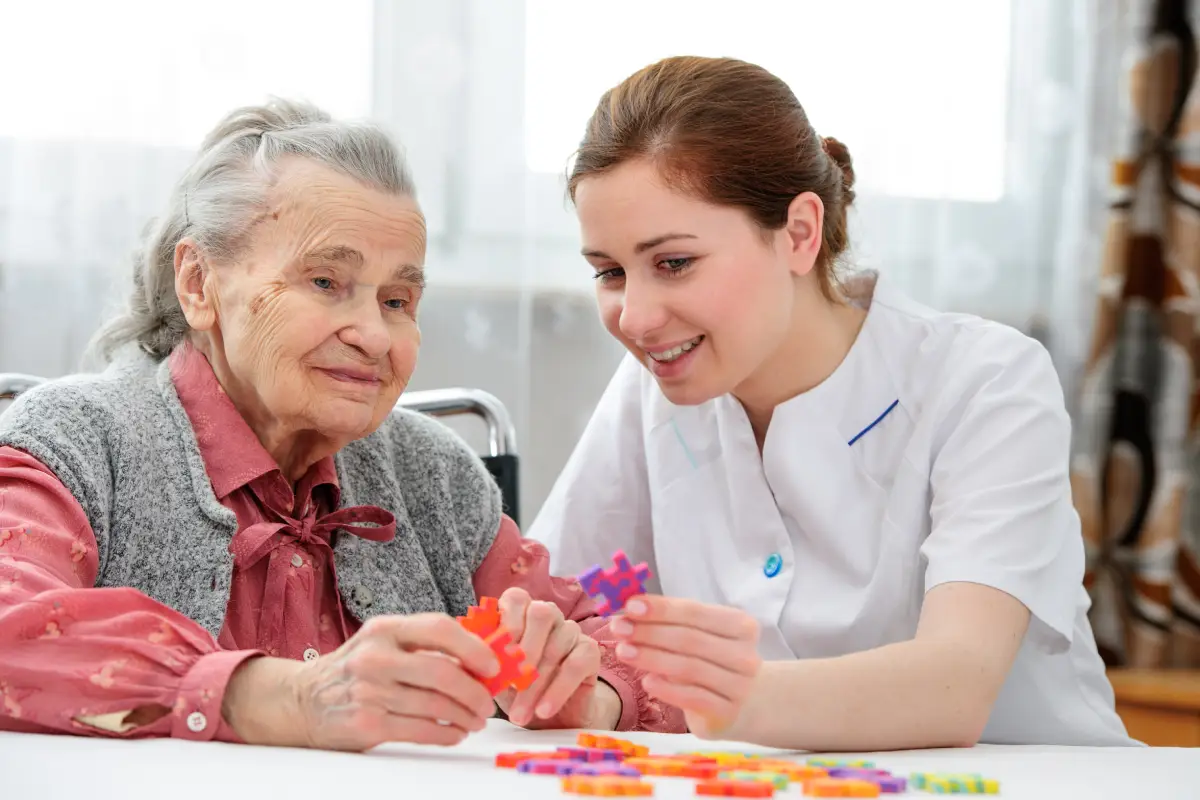
Dementia and cognitive impairment
People living with dementia may be less likely to recognise when they are becoming too hot or dehydrated.
Families, carers and support workers should:
- Offer regular drinks throughout the day.
- Ensure living spaces remain as cool as possible.
- Encourage the use of lightweight clothing.
- Check regularly for signs of dehydration or heat exhaustion.
For many people, a heatwave is a chance to enjoy the hot weather in gardens, parks and outdoor spaces. But the heat can also cause discomfort and a risk of dehydration.
If you have a loved one living with dementia, take note of these ways to support them when the temperatures soar. Dehydration is a common challenge for older people, and especially those with dementia. Memory problems mean someone with dementia can easily forget to drink enough water.
Learn more about drinking, hydration and dementia from Alzheimer's Society
5 tips for preventing dehydration
Here are some simple but effective ways of helping to prevent dehydration during hot weather:
- Leave beakers or jugs of water within easy reach. This is especially important for people with limited mobility, who aren’t able to get up and make themselves a drink.
- Make drinking easier. Have a clear beaker so the person can see what’s inside (this may not work so well with water) or a brightly coloured cup to draw attention. Make sure the beaker is within the line of sight. Having a beaker that is suitable (not too heavy or an odd shape) can help. Straws might also be a good idea.
- Share a drink together. Have a cup of tea or a soft drink with the person and make sure they're drinking during mealtimes.
- Leave prompts and reminders. Make sure the person with dementia remembers to drink regularly by leaving notes out for them or putting up notices around the house. You could also set up a phone reminder or set an alarm clock.
- Provide high water content foods. Supplement water and other drinks with foods that are high in fluids. Some good options include ice lollies, jelly, ice cream, soup and fruit such as melon. ‘Water sweets’, such as Jelly Drops, can also help the person stay hydrated.
Additionally, make sure the person with dementia is dressed properly: loose, light coloured cool clothing and a hat or cap if outside.
Keep their home as cool as possible: draw curtains or pull blinds down in south facing windows and in the cooler evening open the windows to let the warm out and the cooler air in.
Avoid the midday sun. If someone with dementia is hot and agitated, help them take a cool bath or shower. You could also place a wash cloth and some iced water nearby, so they can dab themselves when they need to. Try putting a frozen bottle of water or ice pack next to a fan, for some DIY air-conditioning.
If you don’t live near the person or are worried about someone – ask a friend or neighbour to pop in and make sure they're ok.
Your Coast & Country Primary Care Network
GP? Think of me
It's not always the doctor you need to see... Try a:
- Mental Health Practitioner
- Paramedic Practitioner
- Social Prescriber
Primary Care Networks (PCNs) help GP practices work together to provide better, more joined-up care for their local communities. By sharing skills, staff and resources, practices can offer services that would be difficult to deliver alone.
Why are Primary Care Networks good for our patients?
- More services closer to home – Patients can access a wider range of healthcare professionals without always needing to see a GP.
- Quicker access to the right person – Depending on your needs, you may be offered an appointment with a clinical pharmacist, physiotherapist, mental health practitioner, social prescriber, care coordinator or other specialist.
- Better joined-up care – GP practices work closely with community teams, pharmacies, hospitals and social care to provide coordinated support.
- Improved care for people with long-term conditions – PCNs help identify patients who would benefit from extra support and proactive care.
- Focus on prevention – PCNs deliver health promotion, vaccination programmes, screening initiatives and wellbeing support to help people stay healthy.
- More personalised care – Patients receive care from the healthcare professional best suited to their needs.
Primary Care Networks are designed to:
- Improve patient access to healthcare.
- Make the best use of NHS resources.
- Provide more coordinated and personalised care.
- Support patients to stay healthier for longer.
- Help GP practices remain sustainable as demand for healthcare continues to grow.
For patients, this means receiving care from the right healthcare professional, at the right time, in the right place.
Learn more by visiting the Coast and Country PCN website
August campaigns

World Lung Cancer Day
World Lung Cancer Day is observed throughout August each year. “Help us, to help you” NHS campaign. A cough that lasts for three weeks or more could be a sign of cancer.
It’s probably nothing serious, but if it is cancer, finding it early makes it more treatable and can save lives. Contact your GP practice.
If a friend or family member has been coughing for three weeks or more, encourage them to contact their GP practice.
In addition to the symptom of a cough for three weeks or more, other symptoms of lung cancer include:
- Chest infections that keep coming back
- Coughing up blood
- A long-standing cough that gets worse
- An ache or pain when breathing or coughing
- Persistent breathlessness
- Persistent tiredness or lack of energy, loss of appetite or unexplained weight loss
Early diagnosis and treatment of cancer can save lives.
How to keep antibiotics working
- Don't take antibiotics for colds and flu. They won't work
- Don't save leftover antibiotics for later, they don't work
- Take them as directed by your GP, nurse or pharmacist

Antibiotics are no longer routinely used to treat infections.
This is because:
- many infections are caused by viruses, so antibiotics are not effective
- antibiotics are often unlikely to speed up the healing process and can cause side effects
- the more antibiotics are used to treat trivial conditions, the more likely they are to become ineffective for treating more serious conditions
Both the NHS and health organisations across the world are trying to reduce the use of antibiotics, especially for health problems that are not serious.
Antibiotic resistance and 'superbugs' The overuse of antibiotics in recent years means they're becoming less effective and has led to the emergence of "superbugs". Antimicrobial resistance (AMR) arises when the organisms that cause infection evolve ways to survive treatments.
Find out more about antibiotic resistance on the NHS website
Your practice

August Bank Holiday
Ruby Country Medical Group will be closed on Monday, 31st August 2026 for the August Bank Holiday.
If you need medical advice when we are closed please call 111 or go to our website for options.
Always call 999 in a life-threatening emergency.
See our events and closures page to learn more.
Afternoon closure for staff training
Our next staff training afternoon closure is Wednesday, 16th September 2026. Our practice will close from 1pm.
‘Heart Failure’ screening event
On Wednesday 9th September 2026, the Farming Health Hub is holding a huge ‘Heart Failure’ Screening event.
The day will be run by Pumping Marvellous, a 💓 failure charity, and will be supported by heart failure nurses from NDDH as well as cardiologists.
The Farming Health Hub is aimed at Farmers, their families and anyone visiting the Livestock Market.
Anyone aged 40+ can get checked, but if you have symptoms of heart failure such as Breathlessness, Exhaustion or Ankle swelling it's Time to attend. Let's BEAT heart failure together!
- Where: Holsworthy Livestock Market, Devon. Find us in the Market Cafe.
- When: 9th September 2026 from 10am to 4pm.

Going on holiday? Remember:
- Passport
- Suntan lotion
- Prescription - Order in plenty of time
Holsworthy Day Companions
Providing day care for the elderly in Holsworthy and surrounding parishes.

- Where: Find us at the Scout and Guide HQ, Well Park, Holsworthy
- When: Every Wednesday afternoon 12pm to 4pm
- Cost: Session charge £5 - includes refreshments - soup and granary bread, tea/coffee
Enjoy a friendly chat or join in a variety of Covid safe activities, games, quizzes, reminiscence.
Open to all whether you're just lonely, a carer wanting some 'me' time, bereaved looking for some space, or a volunteer wanting to help in our community.
Please pre-book your visit, do not attend if you have any Covid symptoms.
Contact Holsworthy Day Companions via email or phone 07798 520675 - 9am to 6pm or leave a message.
Published: Aug 17, 2026