We use cookies to make this site work. We'd also like to set optional cookies so we can understand how the site is used and improve it. We will not set optional cookies unless you accept them. You can change your choice at any time from the Cookie settings link in the footer.
Strictly necessary cookies
These cookies are required for the site to work. They store your cookie preferences and keep your session secure. They are exempt from consent under PECR Regulation 6(4) because they are essential to deliver the service you have requested.
Optional cookies
Optional cookies help us understand how the site is used and provide additional features such as analytics, accessibility tools and translation. We will only set them if you accept.

November Newsletter
Opening times
Monday to Friday. Please check individual practices for times as they vary for each site
Extended Access
Evening and weekend clinics available for pre-booking. Please call your practice to be advised of availability.
Top 10 tips for Winter Wellbeing
Nutrition and Hydration
- Eat immune-boosting foods - citrus fruits, leafy greens, garlic, ginger & nuts.
- Stay hydrated - Cold air and indoor heating can dehydrate you - drink plenty of water, not just hot drinks.
- Vitamin D - Shorter days = less sunlight, consider safe oily fish, fortified cereals or supplements if recommended.
Immunity and Illness Prevention
- Wash hands often to reduce flu and cold spread.
- Keep winter vaccinations up-to-date.
- Rest and sleep - 7 to 9 hrs supports immune system.
Movement and Energy
- Stay active indoors - yoga, chair exercises, at the gym.
- Outdoor exercise safely - dress in layers, protect extremities, be wary of slippery surfaces.
Skin and Respiratory Care
- Moisturize to prevent dry, cracked skin.
- Use a humidifier indoors to ease dry air and protect sinuses.
- Cover nose and mouth Outdoors in very cold air to warm the air you breathe.
Safety in Cold Weather
- Dress in layers - breathable inner layer, insulating middle, waterproof outer.
- Protect hands, feet, ears from frostbite with gloves, warm socks and hats.
- Limit alcohol outdoors - it makes you feel warm but increases risk.
Mental Wellbeing
- Combat seasonal blues - get outside in daylight, stay socially connected, and consider light therapy if recommended.
- Mind Relaxation - meditation, reading, or hobbies can ease winter stress.
Why can winter affect our mental wellbeing?
- Reduced Sunlight Exposure. Less sunlight in winter months can lead to Lower serotonin levels, a brain chemical that affects mood.
- Disruption of circadian rhythms, which regulate sleep, mood and energy.
- Vitamin D deficiency, which is linked to depression.
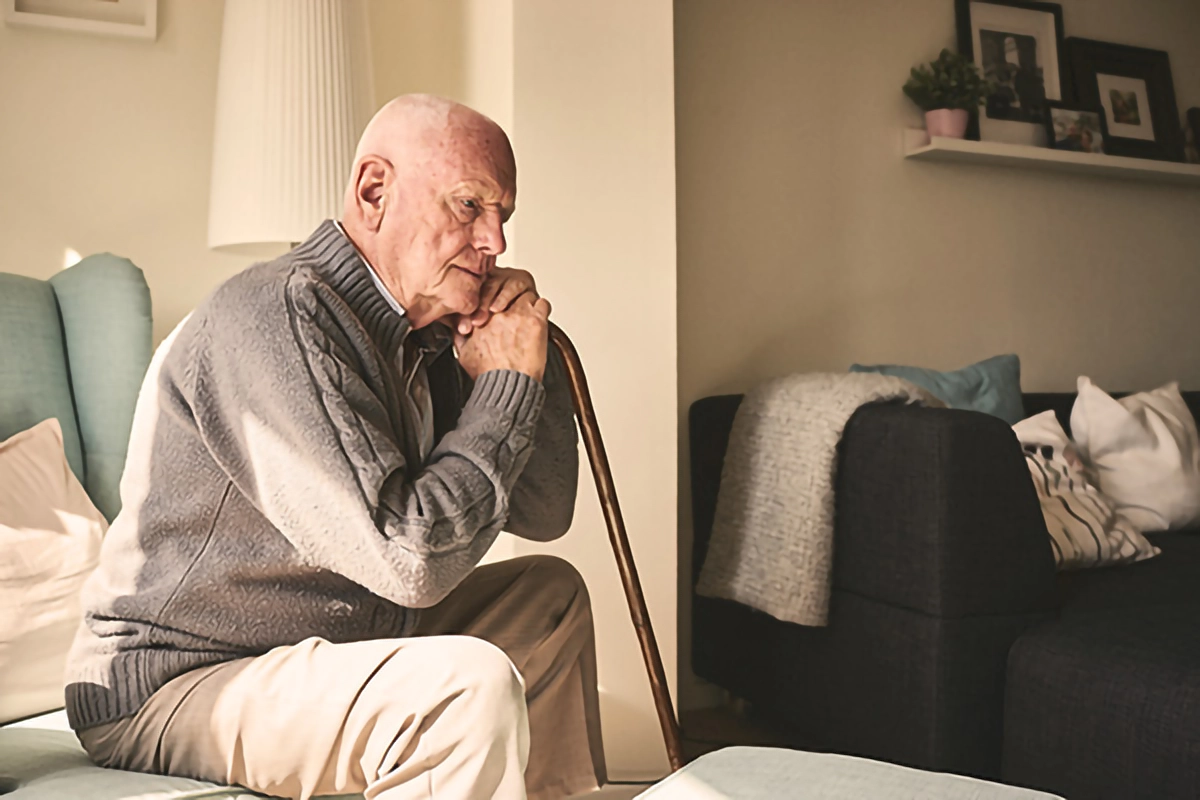
Seasonal Affective Disorder (SAD)
SAD is a form of depression that follows a seasonal pattern—usually starting in Autumn or Winter and improving in Spring.
Symptoms include
Low energySocial withdrawal, changes in appetite (especially craving carbs) difficulty in concentrating and feeling hopeless or worthless
Shorter Days and Longer Nights
Early darkness can make people feel like the day is “over” too quickly leading to: Less time spent outdoors, reduced physical activity, less social interaction and a sense of isolation if you live alone.
Cold Weather and Limited Mobility
This can discourage outdoor activity and exercise both important for mental health. It can worsen symptoms for people living with chronic pain, which can contribute to depression.
Social Isolation
During bad weather, shorter days can lead to more time spent alone indoors, reducing social interaction.
Holiday Season Stress
Winter includes important holiday dates - Christmas and New Year which can be emotionally triggering for those who are grieving, lonely, or estranged from family. This time can also be stressful due to financial pressure, social obligations or unrealistic expectations

Remember that older neighbours, friends and family members
They may need extra help over the winter. Keep in touch with them, especially if they live alone. Make sure they’re stocked up with enough food supplies for a few days, in case cold, ice or snowy weather stop them from going out.
If they do need to go out in the cold, encourage them to wear shoes with a good grip and a scarf around the mouth to protect them from the cold air, and to reduce their risk of chest infections.
Make sure they get any prescription medicines before the Christmas holidays start and if bad weather is forecast. If they need help over the holiday period when the GP practice or pharmacy is closed or they’re not sure what to do, NHS 111 can help. The service is available online at 111.nhs.uk and also by phone.
By answering questions about their health problem they will be told what to do and where to go.
For further advice on how you can help, visit the ageUK website or call 0800 169 6565
Out and about during the winter months
Please take steps to help prevent the spread of winter illnesses such as flu and COVID-19. If you are feeling unwell, it is crucial to stay home and refrain from visiting hospitals or care homes. Ensure you rest, keep warm, and stay hydrated. Regular handwashing is essential, particularly after being in public spaces. If you experience severe symptoms and are uncertain about what to do, consider using NHS 111 online for guidance. Together, we can protect one another and reduce the transmission of these viruses.
UKHSA recommends simple steps to avoid winter bugs this festive season
If you have respiratory symptoms
If you have respiratory symptoms such as a cough or a sore throat, along with a fever, consider giving social gatherings a miss as it’s best to avoid close contact with other people, especially those who are vulnerable, such as the elderly or those with weakened immune systems.
Practice self-care and use antibiotics responsibly
Rest, drinking lots of water and taking over the counter medications are often effective ways to deal with colds, sore throats or coughs. Antibiotics do not work against viruses, which are the usual cause of these conditions.
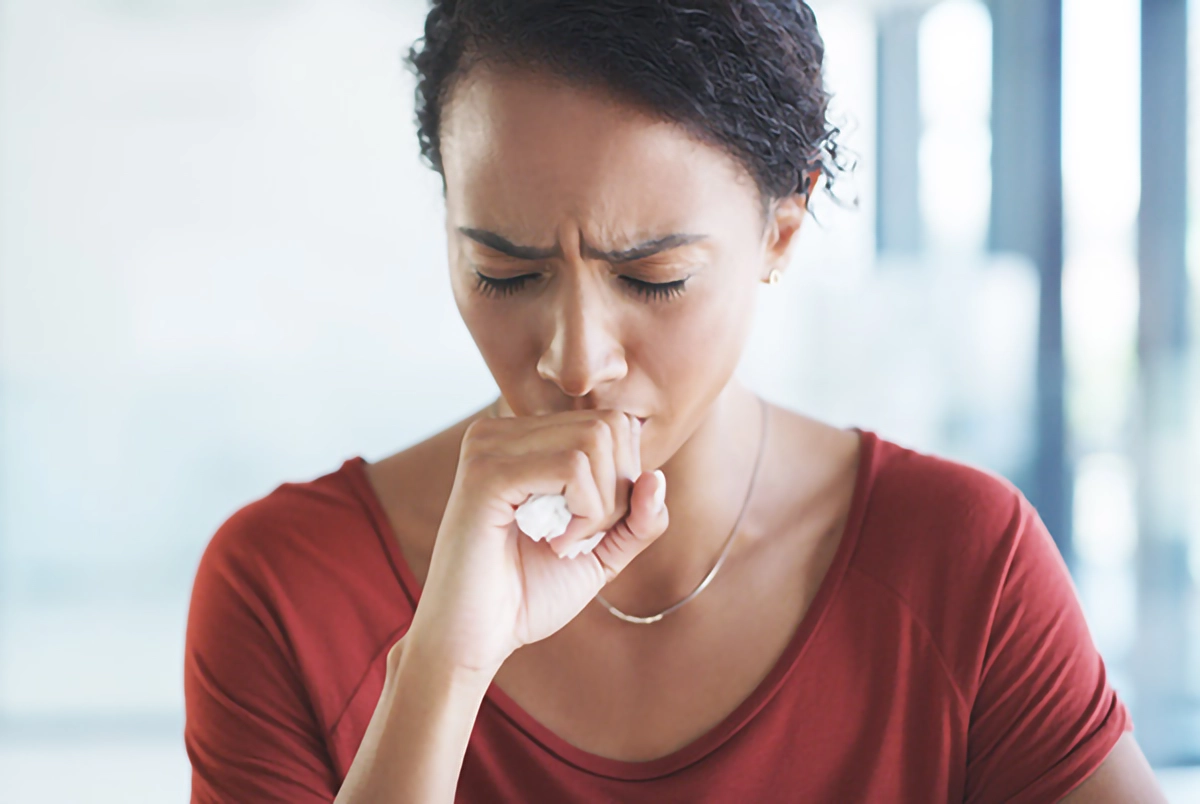
Lung Cancer
If you’ve had a cough for three weeks or more, it could be a warning sign.
A cough for three weeks or more could be a sign of cancer. Contact your GP practice
- It’s probably nothing serious, but finding cancer early makes it more treatable. Your NHS wants to see you.
- If a friend or family member has been coughing for three weeks or more, encourage them to contact their GP practice
In addition to the symptom of a cough for three weeks or more, other symptoms of lung cancer include:
- Chest infections that keep coming back
- Coughing up blood
- A long-standing cough that gets worse
- An ache or pain when breathing or coughing
- Persistent breathlessness
- Persistent tiredness or lack of energy or Loss of appetite or unexplained weight loss
- Early diagnosis and treatment of cancer can save lives
More information on cancer signs and symptoms
The Facts
- Lung Cancer is the third most common cancer in England with around 40,000 cases diagnosed each year.
- Around 89% of diagnosed cases are in those aged 60 and over.
- Five year survival for persons diagnosed with stage 1 lung cancer is 63% compared with just 4% for those diagnosed with late stage (stage 4) lung cancer.
- More than four in ten cases of cancer could be prevented, largely through lifestyle changes such as not smoking, keeping a healthy bodyweight, eating a healthy balanced diet and cutting down on alcohol.
Why is early cancer diagnosis important?

What is Cancer Care Map?
Cancer Care Map is a simple resource that aims to help find cancer support sevices in your local area wherever they are in the UK.
Insert your postcode to find your services near you, from medical Services, to emotional support, health and wellbeing and practical concerns
Keeping you updated

Smoke free Devon
Within just 12 weeks, your circulation improves, and your heart gets stronger. Every smoke-free day helps your body repair itself.
Free support is available
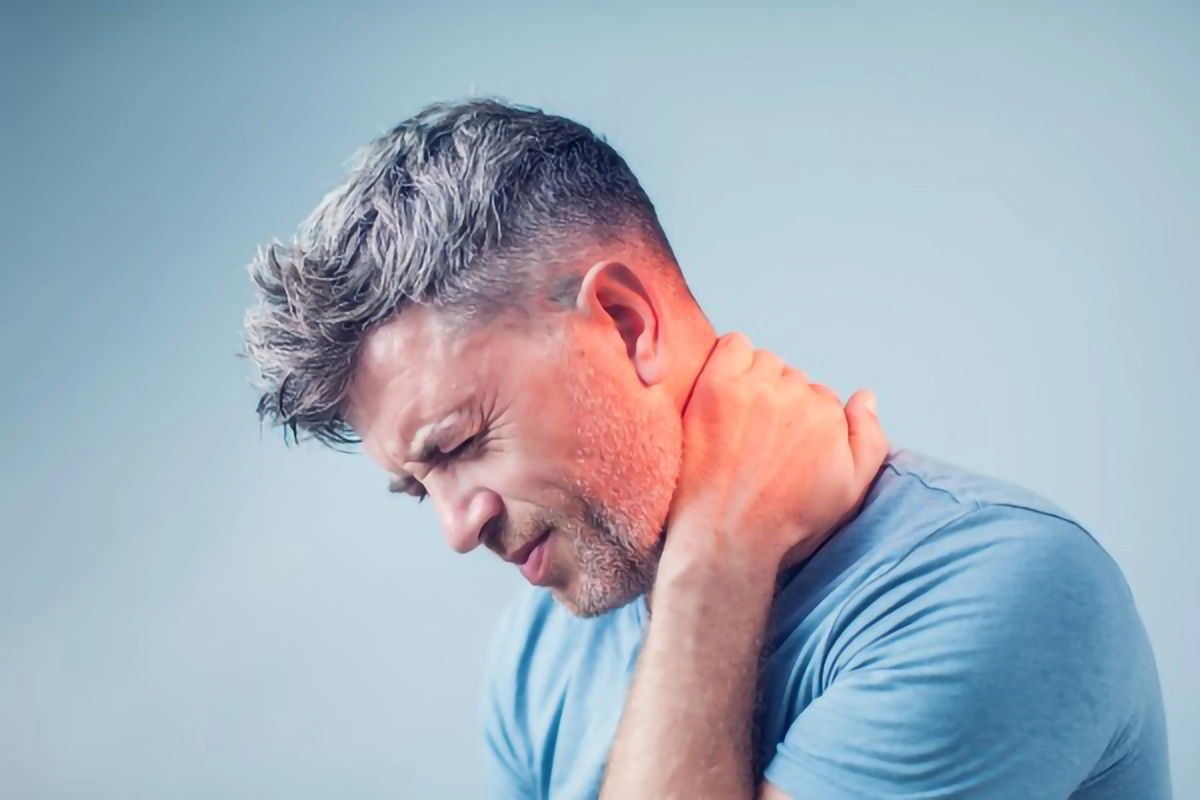
Bude Pain Cafe
An informal, friendly, cafe which encourages people to connect with others, share experiences, and develop new ways to take control of their chronic pain

Breast screening
If you are a woman aged 50 or over, you will be invited for a breast screening appointment every three years up until your 71st birthday

NHS Talking Therapies
You can refer yourself directly to NHS talking therapies service without a referral from a GP

How to keep antibiotics working
- Don't take antibiotics for colds and flu. They won't work
- Don't save leftover antibiotics for later, they don't work
- Take them as directed by your GP, nurse or pharmacist

Armed Forces Veteran Friendly
Ruby Country Medical Group is an Armed Forces Veteran Friendly accredited GP practice, awarded by the Royal College of General Practitioners
Do more with the NHS App!
Download the NHS App or open the NHS website up and login to access a range of NHS services online.
Find out more and download the app
Published: Nov 3, 2025