We use cookies to help provide you with the best possible online experience.
By using this site, you agree that we may store and access cookies on your device. Cookie policy.
Cookie settings.
Functional Cookies
Functional Cookies are enabled by default at all times so that we can save your preferences for cookie settings and ensure site works and delivers best experience.
3rd Party Cookies
This website uses Google Analytics to collect anonymous information such as the number of visitors to the site, and the most popular pages.
Keeping this cookie enabled helps us to improve our website.
December Newsletter: Issue 12
NHS winter vaccinations
Flu cases are higher than usual for this time of year. Here are some things you can do to stop the spread.
Getting vaccinated is still the best protection.
Aged 65 or over? Have a long term health condition? Conditions such as asthma, diabetes, heart or kidney disease and other serious or
long-term conditions can put you at greater risk from the flu.
If you’re immunosuppressed, you need to get your COVID seasonal vaccination and an annual flu jab now. Your close household contacts are also eligible for their flu jab.
Check if you’re eligible for your flu jab or COVID vaccination.
- Flu: People in a clinical risk group, pregnant women, health and social care workers and unpaid carers, household contacts of people with immunosuppression, 2 and 3 year old school aged children.
- Covid: People aged 75 and over, immunosuppressed.
Help keep Christmas on track with your free flu vaccine if you are eligible.
Further information about winter vaccinations is available on the NHS website

Your health
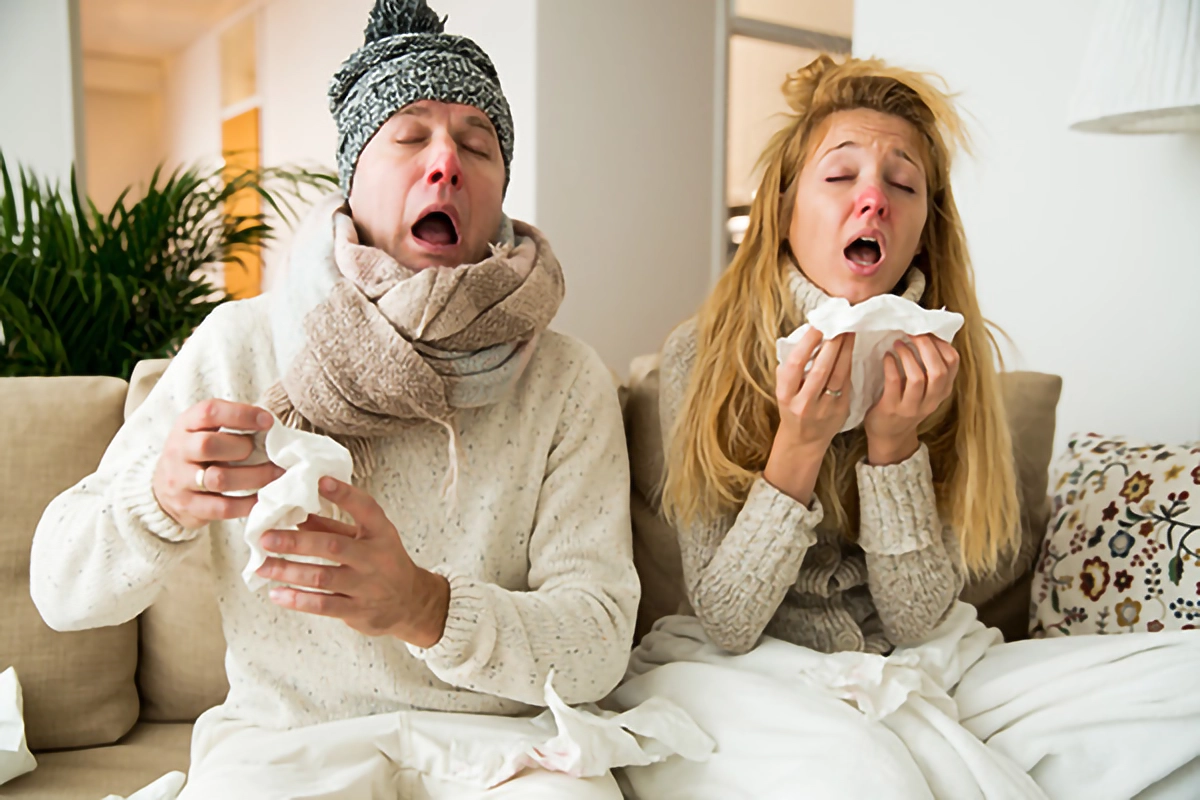
Do I have flu, covid-19 or a cold. Know the signs and symptoms
We see cases of influenza (flu), RSV and COVID-19 throughout the year, but in winter they circulate at the same time and can reach high levels.
Read the UK Health Security Agency Blog for more details
Staying at home when you have symptoms of flu or Covid-19 helps protect those who are vulnerable.
Consider wearing a mask around other people.
Healthy choices quiz
Preventable health conditions are costing lives, burdening the NHS and damaging our economy. More than a quarter of the population now have a long-term health condition.
The new Healthy Choices Quiz provides an easy first step for those who want to feel healthier but may not know where to start. After capturing some basic demographic information and exploring different health motivations, the quiz asks a series of lifestyle questions across six main themes: movement, eating, alcohol consumption, smoking and vaping, mental health and sleep. Users will then receive an overall score out of 10 based on their answers.
Upon completion, the quiz signposts users to relevant information and support, including our suite of free digital behaviour change tools. These have proven results and already support millions of people every year.
Take the free NHS Healthy Choices Quiz today
Think pharmacy first
Patients can receive treatment for seven common conditions directly from their local pharmacy without needing a GP appointment.
Most pharmacies can help you with seven common conditions without needing a GP appointment
Who to see?
Advice
Ask your phamracy for more information about this free NHS service.
During pregnancy
Flu
During pregnancy, your immune system (the body's natural defence) is weakened to protect the pregnancy. This can mean you're less able to fight off infections. As the baby grows, you may be unable to breathe as deeply, increasing the risk of infections such as pneumonia.
These changes can raise the risk from flu, pregnant women are more likely to get flu complications than women who are not pregnant and are more likely to be admitted to hospital. Having the flu vaccine means you're less likely to get flu, or get seriously unwell if you do.
Coronavirus (COVID-19) vaccine
If you're pregnant, or think you might be, it's strongly recommended you get vaccinated against COVID-19 to protect you and your baby.
You're at higher risk of getting seriously ill from COVID-19 if you're pregnant. If you get COVID-19 late in your pregnancy, your baby could also be at risk.
It's safe to have the vaccine during any stage of pregnancy, from the first few weeks up to your expected due date. You do not need to delay vaccination until after you have given birth.
The COVID-19 vaccines do not contain any live viruses and cannot give you or your baby COVID-19.
Whooping cough
Whooping cough is a very serious infection, and young babies are most at risk. Most babies with whooping cough will be admitted to hospital.
When you have the whooping cough vaccination in pregnancy, your body produces antibodies to protect against whooping cough. These antibodies pass to your baby giving them some protection until they're able to have their whooping cough vaccination at 8 weeks old.
Your midwife will advise you when you should have your vaccination.
Where do I go?
If you’ve not yet booked a vaccination, please check our services page for options, or speak to one of the nursing team for advice.
Speak to your maternity team to find out more.
Best start for life
Every child’s journey is shaped by the moments that matter, from first steps and first words to the first day at school.
The government’s Best Start in Life campaign, delivered by the Department for Education and the Department for Health and Social Care, aims to help break down barriers to opportunity for every family, supporting parents and children from pregnancy through to age five and beyond.
We know that being a parent is filled with joyful firsts, but it can also bring natural worries and questions. That’s why Best Start in Life brings together trusted information, advice, and support, making it easier and more affordable for families to access early education and childcare, health guidance, and practical help at every stage.
The key Topics cover :
- Pregnancy
- Feeding and Nutrition
- Parent / Infant Relationships
- Early Years and childcare
- School Readiness

Using the website you can search for family support in your local area, plus local council family support. There are links to Cchildcare support checker; enter your details to help find out how you can save money on your childcare.
The parent newsletter
A regular newsletter with the latest updates, news and announcements about government support available for parents.
Great for staying informed
Sign up to the parent newsletter
Norovirus
Stay at home for 48 hours after your symptoms clear
Don't
- Go to work or school, visit care homes of hospitals
- Prepare food for others
Do
- Wash your hands frequently with soap and warm water
- Wash clothes and bedding at 60 degrees
“Help Us, Help You” abdominal and urological symptoms of cancer
Important: If you’ve had tummy trouble such as discomfort or diarrhoea for three weeks or more, or seen blood in your pee - even just once, it could be a sign of cancer.
It’s probably nothing serious, but finding cancer early makes it more treatable and can save lives
Contact your GP practice
If you’ve had tummy troubles for three weeks or more, tell your GP – they will want to see you and you won’t be wasting their time
Persistent tummy troubles that can be possible signs of cancer include:
- Diarrhoea
- Being bloated most days
- Discomfort in the tummy area or constipation
- Nausea/feeling sick
- Blood in your poo.
If you have any of these for three weeks or more, contact your GP practice.
You should also contact them if you notice any other unusual changes such as a lump in the tummy area, post-menopausal bleeding, abnormal vaginal bleeding, or unexplained weight loss, as these can also be signs of cancer.
Blood in your pee - even just once, can be a sign of cancer and you need to tell your GP. Also let them know if you notice changes like sudden urges to pee or needing to go more often. Persistent tummy troubles can be a sign of a number of cancers, including bowel, ovarian or pancreatic cancer, and blood in pee – even just once, can be a sign of urological cancers, including bladder or kidney cancer.
Early diagnosis and treatment of cancer can save lives. Data suggests that we are now diagnosing a higher proportion of cancers at an early stage than ever before, but we need people to keep coming forward so that we can save more lives.
For more information on cancer signs and symptoms visit the NHS website
It’s important to go back to your GP practice if your symptoms continue, change, or get worse.
- Just one in three respondents (35%) recognise tummy trouble, such as discomfort or diarrhoea, for three weeks or more as a potential sign of cancer.
- Only half of respondents (50%) recognise unexplained or unexpected bleeding (such as bleeding from your bottom or blood when you cough or in your vomit) as a potential sign of cancer.
- More than half people (55%) did not recognise blood in your pee, even just once, as a potential sign of cancer.
When we are closed
Health services when GP surgeries are closed
- NHS 111: Available 24 / 7: Call 111 or visit NHS 111 for medical advice, urgent help, or to speak to an out-of-hours GP. They can arrange appointments, prescriptions, or direct you to the right service
- Urgent Treatment Centres / Walk-in Centres: Open every day (often 8am to 8pm, including bank holidays). They treat minor injuries and illness (cuts, sprains, minor infections etc). Find your nearest urgent treatment centre
- Pharmacies: Some are open on bank holidays for advice and emergency prescriptions. Find your local pharmacy
- In an Emergency: Dial 999: For life threatening conditions (eg chest pain, stroke, severe breathing difficulty, major bleeding)
- Mental Health Support: Samartians call 116 123 for free 24 / 7. Shout text 85258 for urgent mental health help. NHS 111 (option 2) for local mental health crisis support (where available)

Festive opening hours
Our surgery will be closed over the Christmas and New Year period as follows:
- Christmas Day (Thursday 25th December) and Boxing Day (Friday 26th December)
- New Year's Day (Thursday 1st January)
Please note, Holsworthy Surgery will open Saturday 27th December from 9am to 5pm.
Our usual opening hours will commence on 2nd January 2026.
We will all our patients a very Happy Christmas and New Year.
Thank you for helping us to grow our Facebook page.
Like and share the Ruby Country Medical Centre Facebook page
Published: Dec 15, 2025